


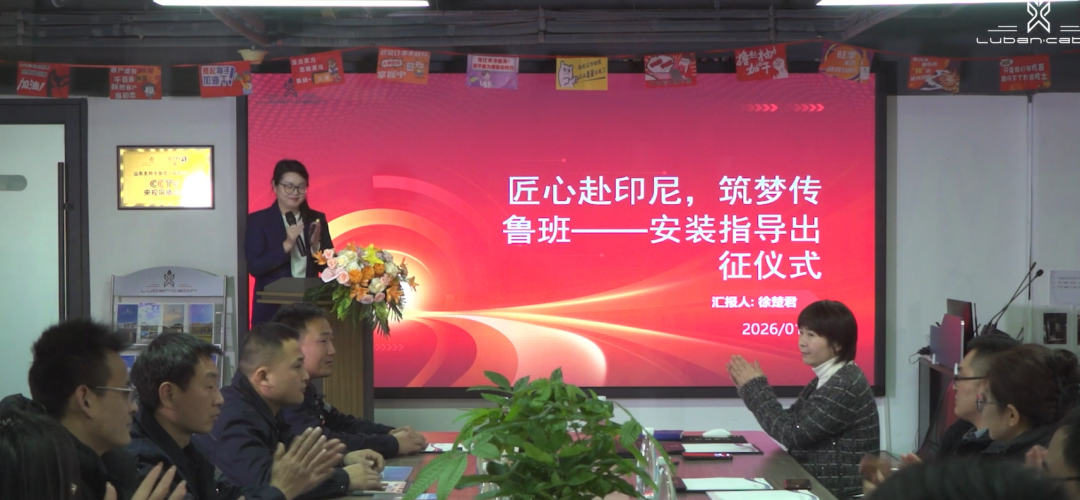
The Indonesia project marks a major milestone for capsule house China, combining scale deployment with on-site expertise to accelerate global capsule housing adoption.
Table of Contents
Strategic Launch of the Capsule Cabin House Project in Indonesia
The kickoff of the Indonesia 50-unit project represents a strong step forward for international expansion in the capsule cabin house sector. This project demonstrates how modular housing concepts can be efficiently implemented across diverse regions while maintaining high standards of execution. By coordinating planning, logistics, and on-site operations, the project establishes a replicable model for future developments. It also highlights the growing global confidence in capsule-based housing solutions.
From a broader perspective, this initiative reflects rising demand for flexible and scalable living solutions. The Indonesian market presents unique environmental and cultural conditions, making it an ideal proving ground for advanced capsule systems. Successful execution here strengthens global credibility and reinforces long-term development potential. The project’s kickoff sets the tone for sustainable growth and cross-border collaboration.
On-Site Expertise Supporting Tiny House Capsule Installation
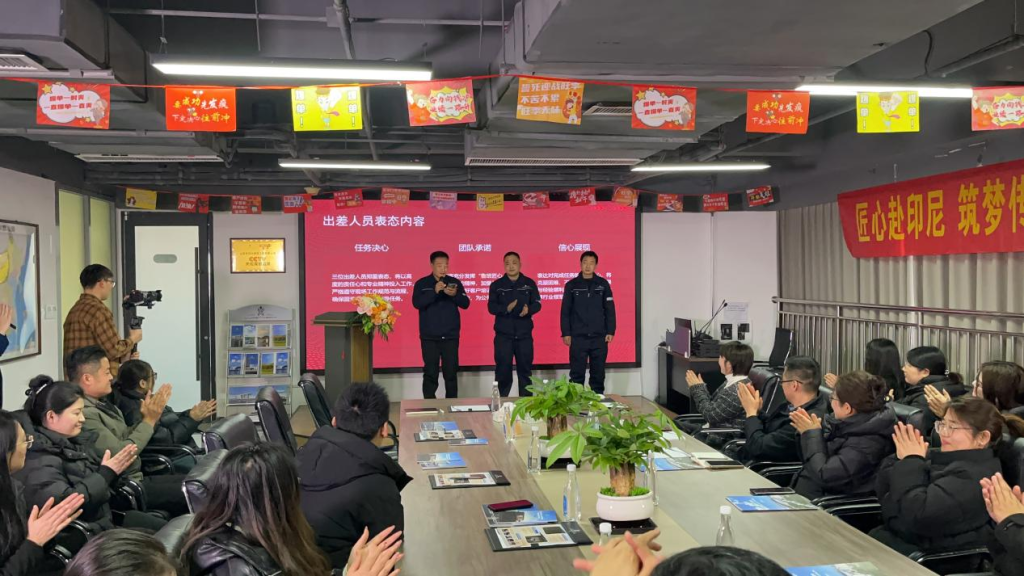
To ensure smooth execution, Luban Cabin dispatched three experienced factory technicians to Indonesia for on-site guidance. Their role was to oversee assembly procedures, coordinate installation workflows, and ensure each tiny house capsule met structural and operational standards. This hands-on approach bridges the gap between factory precision and real-world site conditions. It also reduces installation learning curves for local teams.
On-site guidance plays a crucial role in maintaining consistency across large-scale deployments. The technicians provided step-by-step support, addressing alignment, sealing, and structural integration. Their presence ensured that each capsule unit followed standardized assembly logic. This level of support significantly enhances project efficiency and overall quality assurance.
Technical Coordination Strengthening Capsule House China Reliability
Direct technical involvement reinforces the reliability of capsule house China solutions in overseas markets. By integrating factory knowledge with field execution, potential inconsistencies are minimized. This approach demonstrates a commitment to accountability and long-term performance. It also strengthens trust with international partners who value dependable delivery.
Moreover, on-site coordination allows real-time feedback to flow back into production processes. Insights gained during installation contribute to future optimizations. This closed-loop system supports continuous improvement. As a result, capsule house China continues to evolve through practical global experience.
Value Transparency Around How Much Is a Capsule House
Large-scale international projects naturally raise questions such as how much is a capsule house. Rather than focusing solely on upfront figures, this project emphasizes value through efficiency, standardization, and lifecycle performance. Clear communication around cost structures helps partners understand the full scope of benefits. Transparency supports informed decision-making and long-term cooperation.
By aligning pricing with standardized processes, expectations remain consistent across regions. This clarity is particularly important when scaling multi-unit developments. It ensures financial planning aligns with operational realities. Addressing how much is a capsule house becomes part of a broader value discussion.
Structured Cost Logic and Space Capsule House Price
The space capsule house price is shaped by modular efficiency and controlled manufacturing workflows. Standardized components reduce variability while maintaining flexibility. This structure supports predictable budgeting for international partners. It also simplifies coordination across logistics, installation, and operations.
In Indonesia, the project demonstrates how pricing logic translates into real-world scalability. Consistent cost frameworks enable smoother project rollout. Partners benefit from reduced uncertainty and clearer timelines. A rational space capsule house price structure becomes a foundation for expansion.
Market Understanding of Capsule How Much Are Capsule Houses
Addressing capsule how much are capsule houses requires both data transparency and contextual understanding. Pricing considerations vary by region, scale, and operational setup. By maintaining open communication, project stakeholders align expectations early. This alignment reduces friction and supports smoother collaboration.
The Indonesian project illustrates how standardized systems simplify complex discussions. Cost clarity enhances trust between manufacturers and partners. Over time, this trust enables larger and more ambitious developments. Understanding capsule how much are capsule houses becomes a collaborative process rather than a barrier.
Compliance Confidence and Capsule Tiny Homes Are Container Homes Legal
International projects often involve regulatory considerations such as capsule tiny homes are container homes legal. This project benefits from design approaches that prioritize adaptability and compliance awareness. Modular systems are structured to meet diverse regulatory environments. This proactive mindset reduces uncertainty for partners.
By emphasizing engineering logic and standardized documentation, regulatory alignment becomes more manageable. Clear structural definitions help differentiate capsule systems from conventional containers. This clarity supports smoother approvals and operational readiness. Addressing capsule tiny homes are container homes legal becomes part of responsible project planning.
Adaptive Design Supporting Tiny Home Capsule Acceptance
Design adaptability plays a key role in tiny home capsule acceptance across regions. Flexible layouts and modular logic allow adjustments to local requirements. This adaptability enhances compatibility with regional standards. It also increases long-term usability.
In Indonesia, adaptability ensures the project aligns with local conditions while maintaining global standards. This balance supports smoother deployment and operational stability. Partners gain confidence in the system’s versatility. Tiny home capsule solutions thus become more universally applicable.
Global Perspective on Tiny House Capsule Deployment
A global mindset is essential when deploying tiny house capsule solutions at scale. Each region presents unique challenges and opportunities. By integrating international experience into project planning, risks are mitigated. This approach enhances success rates across markets.
The Indonesian project benefits from lessons learned in previous deployments. Knowledge transfer strengthens execution quality. It also accelerates local team capability building. As a result, tiny house capsule projects gain momentum worldwide.
Collaboration and Growth Through Capsule Cabin House Partnerships
Business partnerships are central to the success of large capsule housing projects. The Indonesian initiative highlights how collaboration enhances efficiency and scalability. Partners benefit from shared expertise, clear communication, and aligned objectives. This cooperative model supports sustainable growth.
Through active engagement, Luban Cabin builds long-term relationships rather than transactional deals. This approach ensures mutual success over time. Strong partnerships amplify project impact. Capsule cabin house collaboration becomes a growth engine.
Luban Cabin Support Enhancing Capsule House China Projects
Luban Cabin’s involvement extends beyond manufacturing into on-site execution and partner support. This holistic approach strengthens capsule house China projects globally. On-site technicians represent a commitment to delivery excellence. Their presence reassures partners of ongoing support.
Such involvement also enhances brand reputation. Partners recognize the value of hands-on assistance. This reputation fosters repeat cooperation. Capsule house China solutions thus gain stronger global positioning.
Long-Term Vision for Tiny House China Expansion
The Indonesian project aligns with a broader vision for tiny house China expansion. Strategic deployments build international references and experience. Each project contributes to global knowledge accumulation. This foundation supports future growth.
By combining technical expertise with collaborative partnerships, expansion becomes sustainable. Market confidence increases with each successful project. Tiny house China continues to gain recognition worldwide.
Conclusion: Advancing Global Projects with Capsule House China
The Indonesia 50-unit project demonstrates how capsule house China solutions succeed through planning, transparency, and on-site support. The integration of factory expertise with field execution sets a high standard. This approach ensures consistency and quality across borders.
With strong partnerships, clear value logic, and technical guidance, capsule housing projects continue to expand globally. The Indonesian kickoff reflects a shared vision of growth and innovation. As demand rises, capsule house China remains positioned at the forefront of modular living solutions.