


Capsule tiny homes are evolving through academic insight and engineering discipline, blending research-driven thinking with real-world innovation to redefine modern modular living.
Table of Contents
How Academic Insight Shapes Capsule Tiny Homes
Behind the rapid advancement of capsule tiny homes lies a strong foundation of academic research and structured learning. By integrating university-level knowledge into industrial practice, capsule housing is no longer driven only by manufacturing efficiency but also by scientific thinking and long-term planning. This fusion allows designs to evolve beyond simple shelter concepts into well-considered living systems. Academic influence ensures that every structural choice is backed by data, research, and proven methodologies.
Equally important, this academic approach elevates industry standards across the board. Instead of following trends, capsule housing development is guided by systematic analysis of user needs, environmental factors, and engineering logic. This mindset creates sustainable growth rather than short-term success. It also strengthens global confidence in capsule house China as a serious and forward-looking manufacturing force.
Tsinghua Learning and Portable Capsule House Innovation
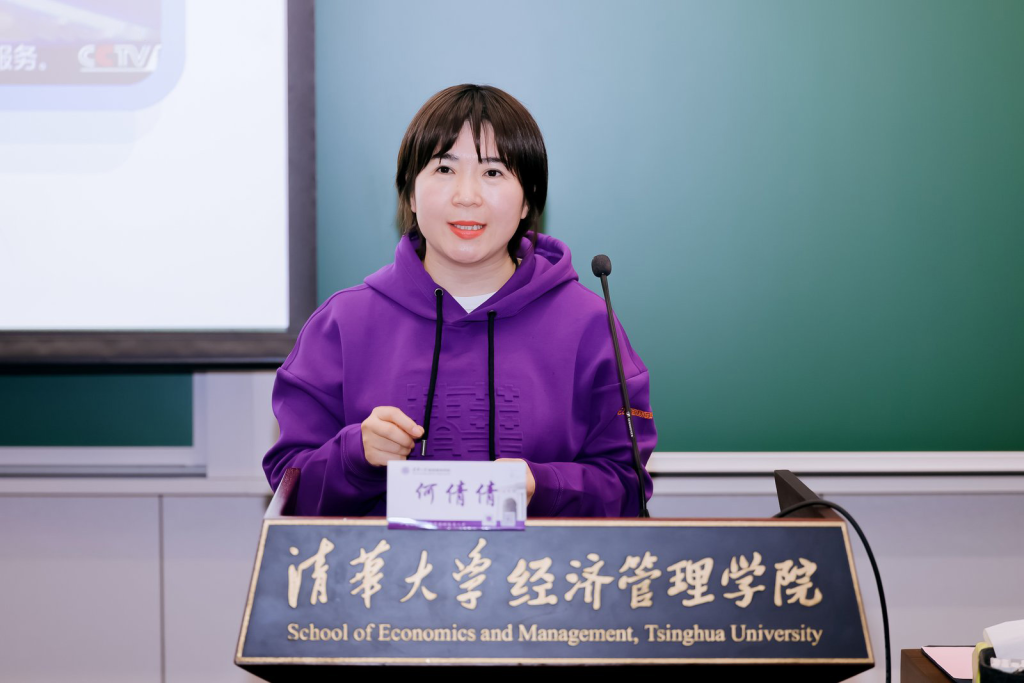
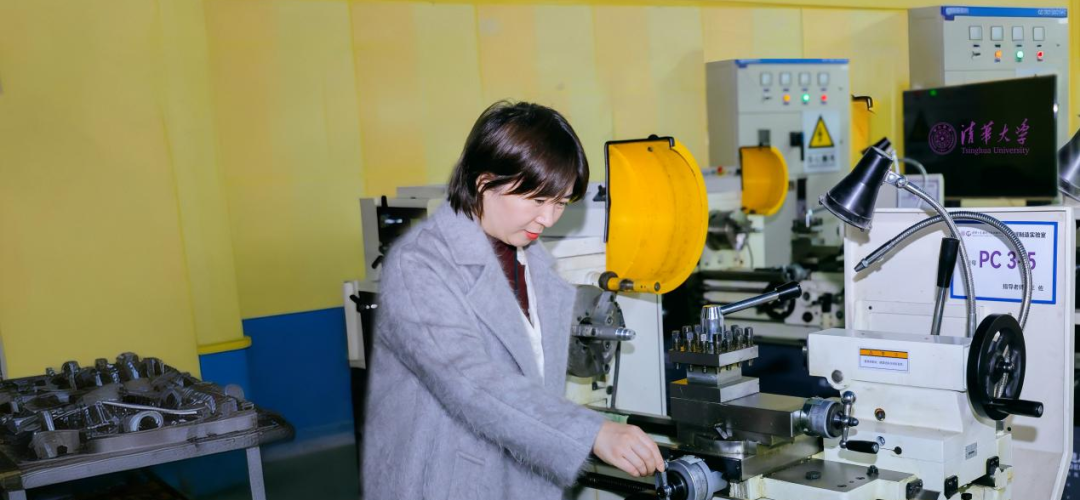
The company’s founder, Serena, pursued advanced studies at Tsinghua University to explore better paths for portable capsule house development. This learning experience was not symbolic; it directly influenced how innovation is approached internally. Through exposure to interdisciplinary research, she gained insights into management systems, structural optimization, and advanced materials science. These insights now guide how capsule housing solutions are conceptualized and refined.
This academic immersion also enhanced strategic thinking around scalability and global adaptation. Rather than focusing only on production output, the emphasis shifted toward lifecycle design and operational efficiency. That knowledge ensures capsule homes are better aligned with international expectations. As a result, portable capsule house concepts benefit from both academic rigor and real-market adaptability.
Industry–Academia Collaboration in Tiny Home Capsule Development
Collaboration with top institutions enables high-level research to flow directly into tiny home capsule development. Advanced research outcomes are translated into practical engineering improvements, enhancing structural stability and spatial efficiency. This process bridges theory and application without compromising feasibility. It ensures innovation remains grounded in real-world manufacturing conditions.
Moreover, this collaboration fosters continuous improvement rather than one-time breakthroughs. Research-driven workflows allow teams to refine processes step by step. Over time, this builds a stronger, more reliable product system. Such integration reinforces long-term credibility in the global tiny home capsule market.
Quality Discipline Behind Capsule Cabin House Manufacturing
Quality is not treated as a final checkpoint but as a guiding principle throughout the entire lifecycle of a capsule cabin house. From early concept development to final delivery, every stage is governed by strict internal standards. Material selection, engineering decisions, and assembly methods are all evaluated against established benchmarks. This disciplined approach reduces variability and ensures consistency.
By emphasizing process control rather than reactive correction, overall reliability is significantly improved. Quality assurance becomes embedded into daily operations. This mindset allows capsule homes to maintain high standards across different markets. As a result, capsule cabin house solutions gain long-term trust from global partners.
Material Selection for Tiny House Capsule Reliability
Careful material selection is fundamental to the durability of a tiny house capsule. Each component is chosen based on performance, safety, and compatibility with modular structures. This approach minimizes waste and maximizes efficiency. It also ensures that materials perform consistently across diverse environments.
In addition, strict supplier evaluation procedures ensure traceability and quality assurance. Only materials that meet rigorous criteria are approved for use. This reduces long-term maintenance concerns and supports sustainable manufacturing. Ultimately, tiny house capsule designs benefit from higher reliability and user confidence.
Construction Standards and Capsule House China Reputation
Construction processes strictly follow industry standards, reinforcing the credibility of capsule house China in international markets. Every project adheres to defined technical guidelines, ensuring predictable outcomes. Emergency systems and safety equipment are integrated thoughtfully, enhancing overall functionality. These measures make capsule housing solutions more dependable.
This disciplined execution strengthens brand reputation over time. Consistent results across multiple projects build confidence among partners and distributors. It also supports large-scale collaboration opportunities. As standards rise, capsule house China becomes increasingly recognized for quality-driven manufacturing.
Transparent Value Logic for How Much Is a Capsule House
Market interest often centers on questions like how much is a capsule house, yet true value extends beyond initial cost. Academic-driven development helps define value in terms of durability, adaptability, and operational efficiency. This broader perspective helps stakeholders understand long-term benefits. It shifts the conversation from price alone to overall performance.
By aligning cost structures with standardized processes, pricing becomes more transparent. This clarity supports better decision-making for global partners. It also fosters trust throughout the supply chain. Understanding how much is a capsule house becomes part of a larger value narrative.
Rational Pricing and Space Capsule House Price Structure
A clear space capsule house price structure reflects controlled production systems and disciplined management. Pricing is shaped by standardized components and optimized workflows. This reduces unpredictability and supports scalable cooperation. Partners benefit from consistent expectations across regions.
Furthermore, rational pricing encourages sustainable growth rather than short-term gains. It allows business partners to plan long-term strategies confidently. This approach strengthens global relationships and supports expansion. A transparent space capsule house price framework becomes a competitive advantage.
Legal Awareness Around Capsule Tiny Homes Are Container Homes Legal
Understanding regulations is essential when addressing concerns like capsule tiny homes are container homes legal. Academic research contributes to better comprehension of regulatory frameworks. This knowledge informs design decisions that align with diverse compliance requirements. It also reduces uncertainty for partners entering new markets.
By proactively studying legal environments, capsule housing solutions become more adaptable. This preparation supports smoother project execution across regions. It reassures partners that compliance is built into the design philosophy. Addressing capsule tiny homes are container homes legal becomes part of responsible development.
Global Cooperation Through Capsule How Much Are Capsule Houses
International partners often ask capsule how much are capsule houses as part of broader collaboration discussions. Transparent systems enable clear communication and mutual understanding. This openness strengthens trust between manufacturers and global agents. It also supports long-term strategic partnerships.
Academic-backed management practices further enhance collaboration efficiency. Structured processes allow partners to align expectations easily. This consistency reduces friction and improves outcomes. Discussions around capsule how much are capsule houses become more constructive and data-driven.
Business Partner Value in Tiny House China Expansion
The growth of tiny house China is closely tied to international cooperation. Business partners play a vital role in regional adaptation and service support. Academic insight ensures collaboration models remain flexible yet structured. This balance supports sustainable global expansion.
By working with trusted partners, operational risks are minimized. Shared standards and values enhance efficiency. This cooperation model allows tiny house China solutions to scale responsibly. Partnerships become engines of shared success rather than transactional arrangements.
Long-Term Vision for Capsule House China
A long-term vision defines the future of capsule house China development. Academic learning reinforces the importance of strategic planning over short-term expansion. This approach ensures resilience in changing markets. It also aligns innovation with global sustainability goals.
By combining research, quality control, and partnership strategy, capsule housing continues to evolve. Each improvement strengthens international competitiveness. The future of capsule house China is built on knowledge, discipline, and collaboration.
Conclusion: Research-Driven Excellence in Tiny Home Capsule
The evolution of tiny home capsule solutions reflects a commitment to learning, quality, and global cooperation. Academic engagement, especially through institutions like Tsinghua University, provides a strong intellectual foundation. This foundation transforms research into tangible operational improvements. It ensures innovation remains meaningful and sustainable.
Through disciplined quality control and transparent collaboration, capsule housing gains lasting credibility. The integration of research and practice benefits both users and partners. As demand grows, research-driven excellence will continue to shape the future of tiny home capsule living worldwide.